In Abstract, Haunting, and Poignant Works, Artists Reflect on the Great Migration in a Major Exhibition
For this review, I will focus on the online exhibition "In Abstract, Haunting, and Poignant Works, Artists Reflect on the Great Migration in a Major Exhibition" presented by Artsy. This exhibition presents works by contemporary artists that reflect on the Great Migration, a period of mass movement of African Americans from the South to the North that took place from around 1910 to 1970. The exhibition includes paintings, sculptures, installations, and photographs that explore the personal and collective experiences of the Great Migration and its ongoing impact on American society.
One of the striking features of this exhibition is the way it brings together different forms of artistic expression to create a multifaceted and nuanced view of the Great Migration. The artworks in the exhibition range from abstract paintings that capture the emotional and psychological impact of the migration, to haunting photographs that document the physical realities of the journey, to poignant sculptures that represent the resilience and creativity of the people who migrated. This diversity of styles and mediums adds depth and complexity to the exhibition, allowing viewers to engage with the topic from a variety of perspectives.
Another noteworthy aspect of this exhibition is the way it highlights the ongoing relevance of the Great Migration to contemporary society. Through their artworks, the artists in the exhibition explore themes such as identity, displacement, and belonging that are still resonant today, particularly in the context of the current political and social climate in the United States. The exhibition thus serves as a powerful reminder of the enduring legacy of the Great Migration and its significance for understanding American history and culture.
In comparing this exhibition to another online exhibition, I would like to draw parallels with the "Black Refractions: Highlights from The Studio Museum in Harlem" exhibition presented by the Museum of the African Diaspora. Like "In Abstract, Haunting, and Poignant Works, Artists Reflect on the Great Migration in a Major Exhibition," "Black Refractions" also features contemporary artworks by African American artists that reflect on the African diaspora and its ongoing impact on American society. However, whereas "In Abstract, Haunting, and Poignant Works" focuses specifically on the Great Migration, "Black Refractions" takes a more expansive view of the African diaspora, encompassing a wide range of experiences and cultural traditions.
Despite these differences in focus, both exhibitions share a commitment to showcasing the richness and diversity of African American art and culture.
"In Abstract, Haunting, and Poignant Works, Artists Reflect on the Great Migration in a Major Exhibition" is an online exhibition that explores the Great Migration. The exhibition features works from 37 artists who reflect on the impact of this movement
on individuals, families, and communities. The exhibition showcases a diverse range of works, including paintings, photographs, sculptures, and mixed media.
One of the most notable features of this exhibition is the diverse range of styles and techniques employed by the artists. From abstract expressionism to realism, the exhibition offers a wide array of artistic styles that reflect the multifaceted nature of the Great Migration. The exhibition also presents a range of perspectives on the migration, including personal stories, historical events, and social commentary.
One of the online exhibitions that can be compared with "In Abstract, Haunting, and Poignant Works, Artists Reflect on the Great Migration in a Major Exhibition" is the "Art of Native America" exhibition at the Metropolitan Museum of Art. Both exhibitions explore cultural identity and history through art, but the "Art of Native America" exhibition focuses on the indigenous art of North America. The exhibition features a wide array of indigenous artworks, including ceramics, textiles, paintings, and sculptures, spanning over 4000 years of history.
One of the standout artworks from "In Abstract, Haunting, and Poignant Works, Artists Reflect on the Great Migration in a Major Exhibition" is "Rondo" by Mary Reid Kelley and Patrick Kelley. "Rondo" is a video installation that explores the history of the Rondo neighborhood in Saint Paul, Minnesota, which was a thriving African American community that was destroyed by urban renewal in the 1960s. The installation combines live-action footage, animation, and performance to create a haunting and thought-provoking reflection on the impact of urban renewal on African American communities.
Another exceptional artwork in the exhibition is "Migration Series, Panel No. 49" by Jacob Lawrence. The Migration Series is a series of 60 paintings that Lawrence created between 1940 and 1941, which depict the Great Migration. Panel No. 49 is particularly noteworthy as it showcases the resilience and determination of African American migrants, despite the many obstacles they faced. The painting depicts a group of migrants standing in a long line, waiting to board a train, with the words
"They also found discrimination in the North" inscribed above.
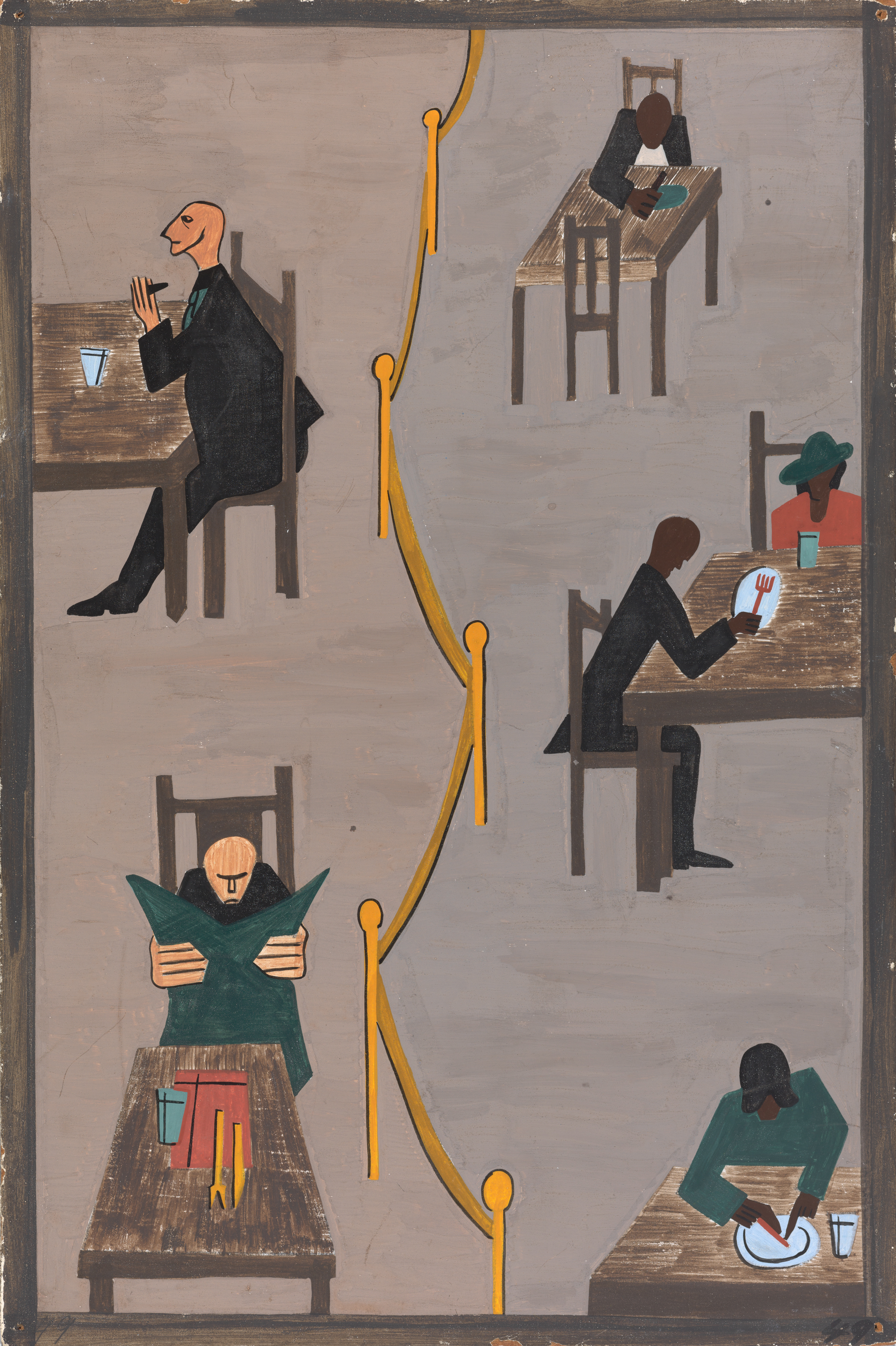
The third standout artwork in the exhibition is "Pulse" by Ken Gonzales-Day. "Pulse" is a photograph of a section of a 19th-century plaster cast of an enslaved African American woman's back. The photograph captures the intricate and delicate patterns of scars and whip marks on the woman's back, which serve as a haunting reminder of the brutality and violence of slavery.
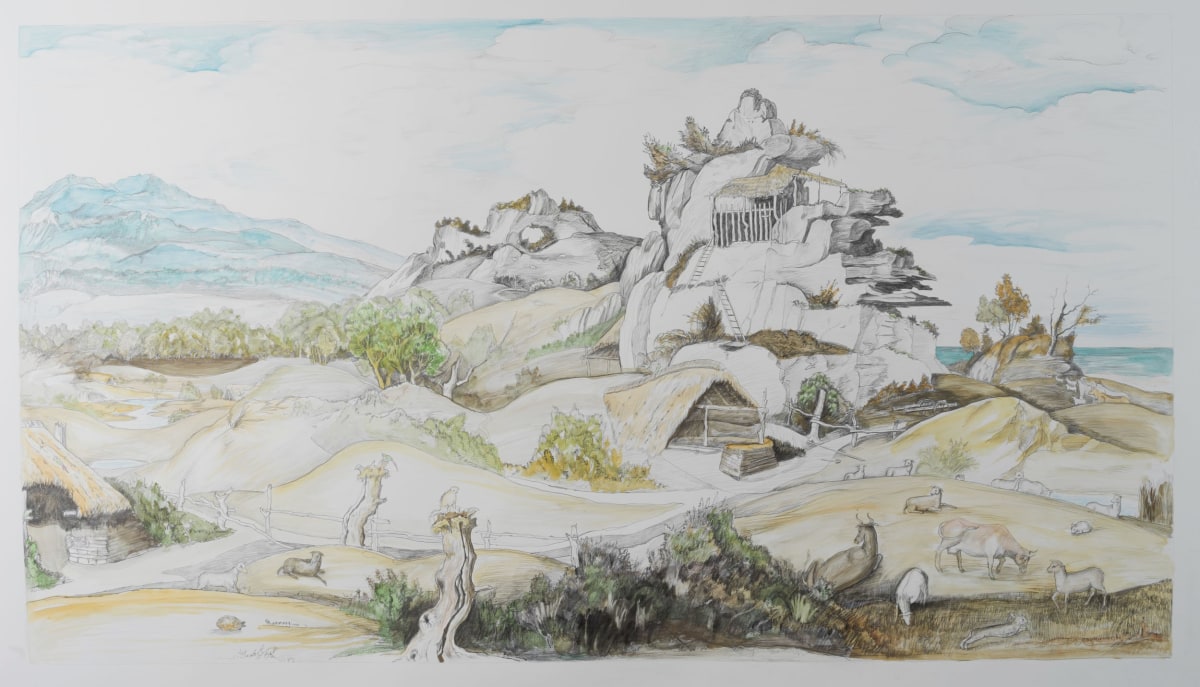
The final standout artwork in the exhibition is "Heirloom" by Sonya Clark. "Heirloom" is a mixed media installation that consists of a large Confederate flag made entirely of black human hair. The installation serves as a powerful commentary on the legacy of slavery and racism in the United States, and the continued relevance of these
issues in contemporary society.
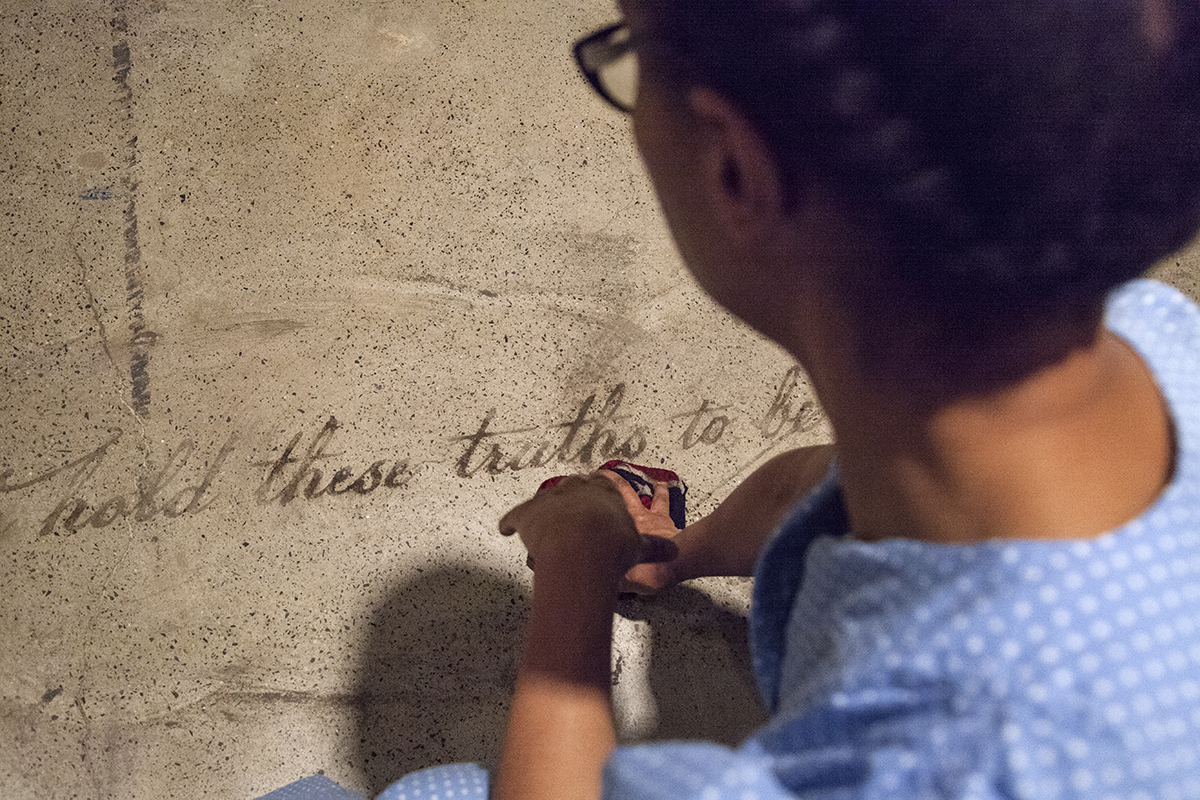
Another standout work is Elizabeth Catlett's "Sharecropper," a bronze sculpture that depicts a Black woman with a determined expression, holding a basket of cotton on her head. The sculpture captures the resilience and strength of Black women who worked in the fields and played a critical role in the economic survival of their families.

Overall, "In Abstract, Haunting, and Poignant Works, Artists Reflect on the Great Migration in a Major Exhibition" is a powerful and thought-provoking exhibition that showcases the impact of the Great Migration on African


Comments
Post a Comment