Sun Ra is More than Just a Musician
Week 3:
In the world of Afrofuturism, few names carry as much weight as Sun Ra. The jazz musician, composer, and bandleader is remembered not just for his innovative sound, but for his expansive vision of the future and the role that Black culture would play in shaping it. One of his most iconic works is the 1974 film "Space is the Place," which not only showcases his musical talent but also serves as a statement of Afrofuturist ideology.
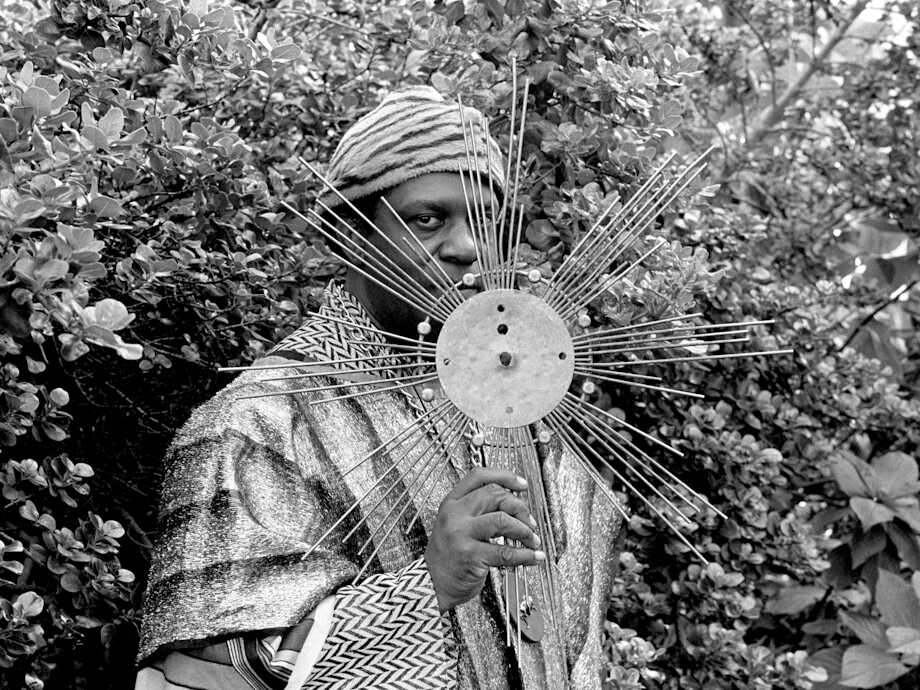
At its core, Afrofuturism is about reclaiming the Black narrative and exploring what it means to exist in a future that centers Black culture. It's about imagining a world where Black people aren't just surviving, but thriving, and where their experiences and perspectives are valued and celebrated. "Space is the Place" embodies this philosophy by depicting a world where Sun Ra and his Arkestra are the only hope for Black people looking to escape the confines of a racist and oppressive society.
Sun Ra's impact on culture and music is difficult to overstate. His music was groundbreaking, blending jazz, funk, and electronic sounds in ways that were ahead of their time. He was also an incredibly prolific artist, releasing over 100 albums in his lifetime. But perhaps most importantly, he was a visionary, using his art to explore complex themes like identity, spirituality, and the nature of reality.
Today, Sun Ra's legacy lives on in the work of artists like Janelle Monae and Flying Lotus, who continue to push the boundaries of Afrofuturism in their music and art. But his influence can also be seen in the way that Black people are redefining their place in society. As the world grapples with issues like systemic racism, police brutality, and economic inequality, Afrofuturism offers a way to imagine a better future, one where Black people are free to create and innovate without fear of persecution.
In this way, "Space is the Place" is just as relevant today as it was when it was first released. It's a reminder that the struggle for equality is ongoing, but that we have the power to shape our own destinies. By embracing Afrofuturism and imagining a world where Black people are at the forefront of innovation and progress, we can create a brighter future for us all.


Comments
Post a Comment