The Inherent Racism Found in Early AI and Technologies: Why It's Not Talked About Enough.
Week 10:
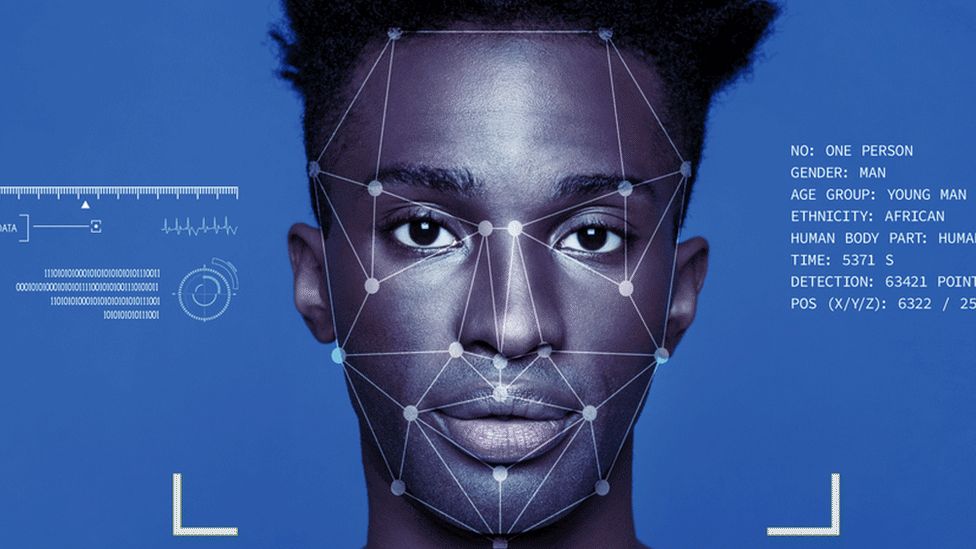
When reading Beth Coleman's "Race as Technology" I found it incredibly interesting that she was able to denature the term and idea of race. But when reading it also sparked the thought of how race in technology in the modern era has a lot of issues as well. Artificial intelligence and other technologies have the potential to transform society in profound ways. However, as with any tool or system, the use and implementation of AI and technology is not immune to the biases and prejudices that exist in society. In particular, there is a growing awareness of the inherent racism found in certain early AI and technologies, which has significant implications for both the development and implementation of these tools.One of the most striking examples of this phenomenon is the use of facial recognition technology, which has been shown to be biased against people of color. Studies have demonstrated that facial recognition algorithms are less accurate in identifying people of color, particularly women, and are more likely to produce false positives for these individuals. This is likely due to the fact that the algorithms are trained on predominantly white datasets, which leads to inherent biases in the system.
Similarly, early AI chatbots have been shown to exhibit racist and sexist biases in their responses to users. For example, in 2016, Microsoft's AI chatbot Tay was shut down after just 16 hours due to its tendency to make racist and sexist statements in response to user inputs. This is a clear example of how even the most advanced AI systems can reflect and amplify the biases and prejudices that exist in society. Despite these clear examples of the inherent racism found in certain early AI and technologies, this issue is not talked about enough. Many people view technology as neutral and objective, and fail to recognize that it is created and implemented by human beings who are not immune to bias and prejudice. This lack of awareness can lead to the perpetuation of discriminatory practices and the further marginalization of already oppressed groups. In order to address the issue of inherent racism in AI and technology, it is important to raise awareness of this issue and to actively work to counteract it. This can involve diversifying the datasets used to train algorithms, incorporating ethical considerations into the design and implementation of technology, and engaging in critical reflection and dialogue about the ways in which technology can perpetuate inequality and discrimination.


Comments
Post a Comment