From Harmful Stereotypes to Empowering Representation
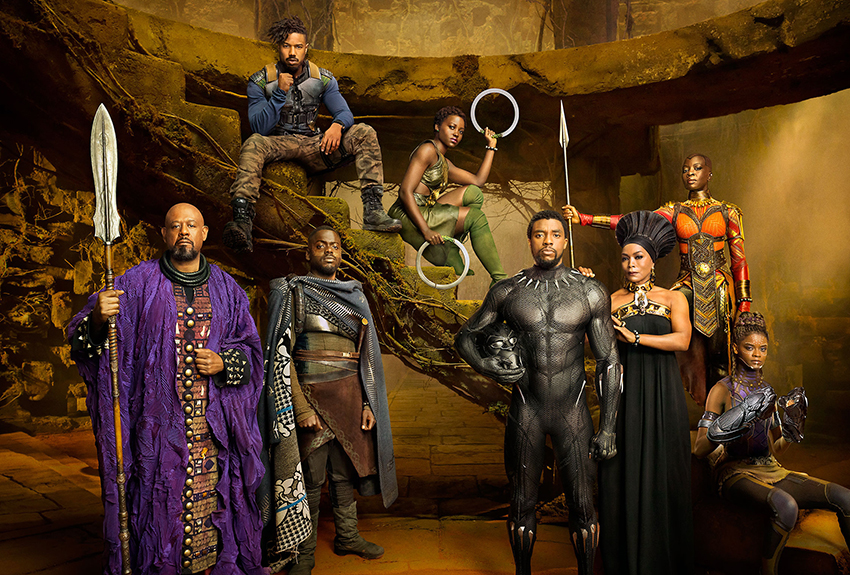
Early Marvel comics featuring Black Panther portrayed the character in a tokenistic and stereotypical manner, reinforcing harmful biases and stereotypes about Africans and African-Americans. The character was often relegated to a supporting role and lacked agency and complexity. In contrast, Coogler's "Black Panther'' movie presents a more nuanced, empowering, and authentic portrayal of Black Panther, celebrating African culture. It addresses social issues and promotes representation and diversity. It represents a shift in taking back control over the narrative of African superheroes and breaking away from harmful stereotypes.
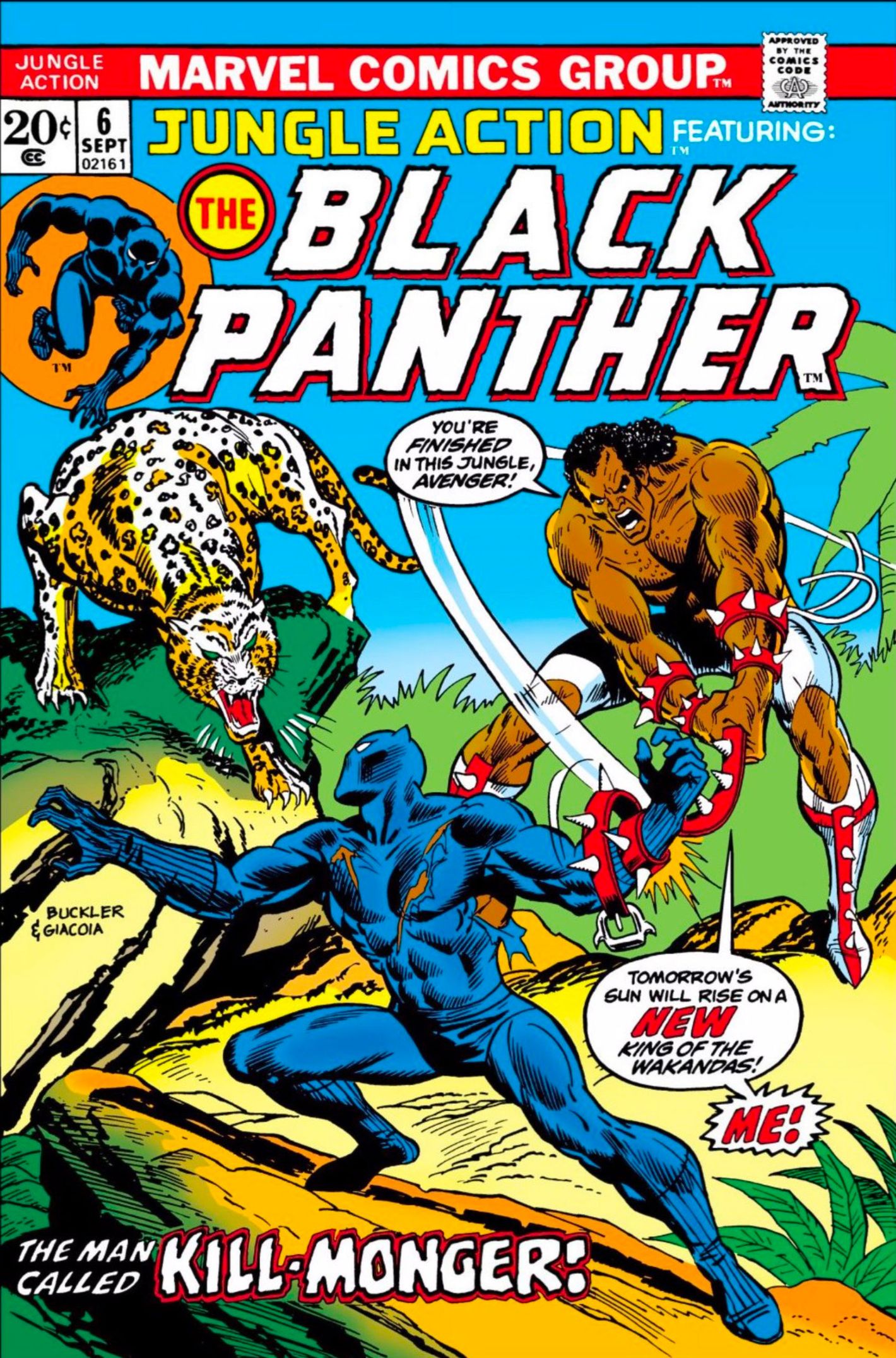
The early comics lacked depth in addressing real-world issues such as colonialism, racism, and black empowerment, limiting Black Panther's potential to confront systemic injustices. However, in recent years, Black Panther's portrayal in Marvel comics has evolved, with diverse writers and artists bringing more authenticity and complexity to the character. Coogler's film represents a significant step towards reclaiming the narrative of African superheroes and promoting a more positive and inclusive representation, addressing the shortcomings of early Marvel comics in portraying Black Panther and African culture.


I am glad Black Panther has been evolving to tackle more systemic issues, hopefully this continues to happen. Marvel has a lot of great potential universe to work with that is rich with ways to highlight and explore topics that need to be discussed in the mainstream.
ReplyDelete